Pasadena yards reward style that respects heat, light, and history. Shade trees and mountain views frame the San Gabriel Valley, evenings cool quickly, and patios earn their keep for the majority of the year. The right blend of fire features, seating walls, and lighting can turn a standard yard into a true outdoor space. Get the bones right with thoughtful hardscape style, then layer in native or water sensible planting so the area performs throughout drought years and El Niño cycles alike.
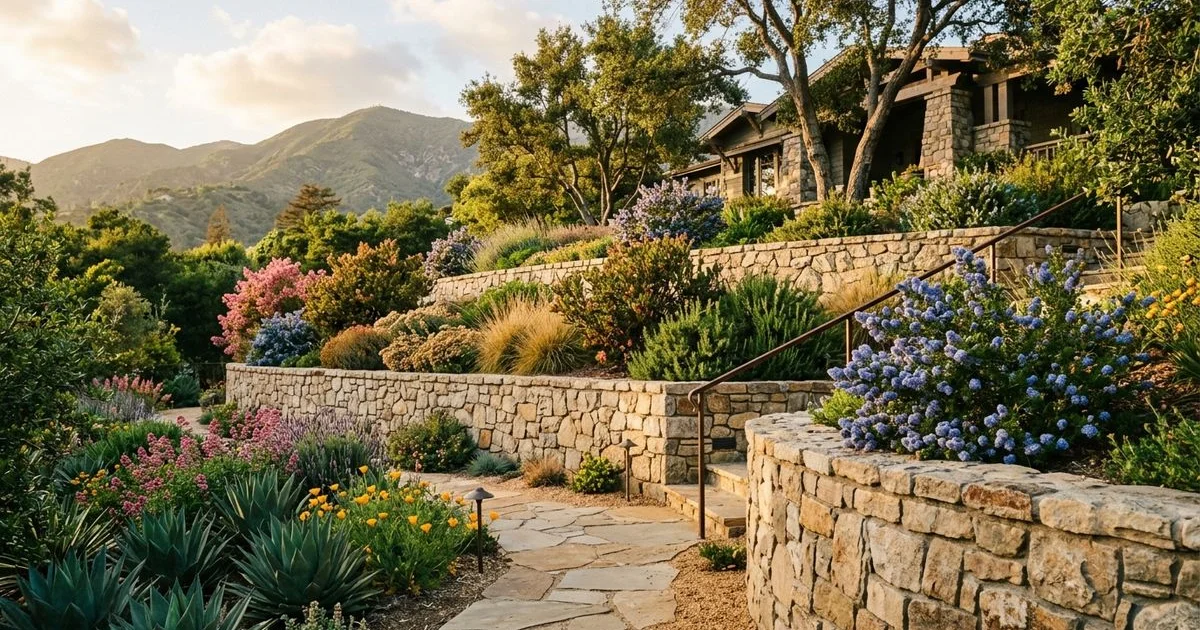
I have spent years dealing with customers in neighborhoods from Bungalow Paradise to Linda Vista. The very best jobs start with website reading. Where does afternoon sun linger, how do the neighbors' lights overflow the fence, and what does the soil do after a half inch of rain in an hour, which is not rare here. With those responses, the options around fire, seating, and lighting fall into place.
Fire functions that fit Pasadena life
Fire pulls people outside. In Pasadena, the information that separate a safe, welcoming fire function from a smoky error generally boil down to fuel, placement, and scale.
Gas versus wood is the first fork. A lot of homeowners pick natural gas or propane for convenience and to minimize smoke that can trouble neighbors. When we run a gas line for a fire pit or fireplace, we follow the plumbing code and Pasadena allowing, use tracer wire on buried lines, and pressure test to 15 psi for a minimum of 15 minutes. For a typical round pit 36 to 48 inches in size, a burner in the 75,000 to 125,000 BTU variety gives a strong flame without roaring. Wind frequently topples from the foothills, so wind guards or much deeper pans help maintain a stable flame. If your residential or commercial property sits near the wildland metropolitan user interface, check present constraints on open flame and spark arrestor requirements before dedicating to a wood-burning design.
Built-in fireplaces bring drama and wind security. When developing a masonry fireplace, we think in terms of mass and proportion. A Rumford-style throat throws heat forward efficiently. A chimney at least 2 feet taller than any part of the structure within 10 feet lowers backdrafts. Clearances are nonnegotiable. Keep any fire function 10 feet from combustible structures, and think about convected heat results on close-by fences or plantings. In tight backyards, linear fire tables work well behind a sectional or along a seating wall. They make the most of narrow patios without consuming blood circulation space.
Material options affect durability. Cast concrete and CMU with proper rebar and a strong footing hold up best. Natural stone veneer looks stunning on historic homes, while a smooth stucco confront with a limestone piece cap reads tidy in mid-century contexts. For media, I define ceramic logs that do not spall over time, or black lava rock under a top layer of tempered fire glass. Skip low-cost glass that can crack and pop.
Integration separates a brochure piece from a custom-made develop. A gas shutoff valve ought to be mounted where you can reach it from outside the fire area. Plan the control place before the mason starts, and choose whether you desire manual stimulate ignition or a low-voltage electronic system tied into the lighting transformer. Electronic ignition expenses more, but it avoids fumbling for a lighter and it can be set to shut down by itself when winds surpass a set speed.
Where a paver outdoor patio carries the moment
A fire function is only as great as the patio beneath it. Pavers remain a workhorse in Pasadena. They manage the soil motion we see on lots with old orange-grove fills better than poured pieces, and individual systems can be lifted for repairs. On a paver patio area, compact a minimum of six inches of class II road base over native subgrade, use a one inch bed linen course of washed sand, and set edge restraint with spikes in the base course, not through sand. A slope of 1 to 1.5 percent takes water away from the house without feeling tilted underfoot. If you prefer a contemporary look, large-format porcelain pavers set up on pedestals can deal with roof decks or for precise drain alignment, though porcelain gets slick if you choose the wrong finish.
Pattern helps direct traffic. Herringbone withstands chair legs and hectic seating areas. A running bond in a long outdoor patio can telegraph a gentle axis towards the fireplace. Color matters in Pasadena light. Creams show glare on bright afternoons, charcoal reads too hot in summertime, and warm grays play perfectly with stucco and red tile roofing systems. If you are looking for a paver contractor Pasadena homeowner trust, look for crews that cut with water to decrease dust, check edge restrictions, and utilize joint sand that is polymeric only when the slope and drainage are dialed in. Overusing polymeric sand can lead to haze, and in shaded yards with leaf debris it can trap organics.
Clients typically inquire about slab versus pavers for patio construction Pasadena large. Slabs are great when soil is well compacted and the style language calls for broom surface or a tidy saw-cut grid. Pavers win when you anticipate heavy amusing, furniture movement, and occasional access to utilities.
Seating walls that work and feel right
A great seating wall resolves three things at the same time. It defines an edge, conceals grade transitions, and includes versatile seating without additional furniture. The difference between a wall that people really sit on and one that turns into a dead border is typically an inch or two of height and the cap's comfort.
Ideal seat height hovers in between 17 and 19 inches. Include a cap that overhangs 1 to 1.5 inches, with a softened edge you can feel in your knees. A cap width of 12 to 14 inches provides space to perch with a wine glass beside you. Curved walls welcome discussion around a fire pit. Straight runs perform better for long tables or narrow patio areas. Match the wall radius to the fire feature so it does not pinch flow behind chairs.
For short grade modifications, a gravity wall constructed with ornamental block and a compacted base works well. When you step past 36 inches in height, you enjoy maintaining wall territory where design shifts from decoration to engineering. Retaining wall installation Pasadena projects over 3 to 4 feet typically require licenses and crafted drawings. You will see geogrid layers extending back into the slope, drainage stone, and a perforated pipeline at the heel daylighting to a safe point. Skipping any of that to save a couple of dollars is a false economy. Pasadena soils are well-known for clays that swell and shrink, and water pressure behind a wall presses more difficult than most people expect after a single storm.
We often wrap the front lawn with a low seat wall that functions as a planter edge. It sets a threshold without blocking sightlines and turns the front yard into functional square footage. If you are shortlisting a retaining wall builder Pasadena property owners recommend, ask to see past work after one or two winters. That is where workmanship shows up.
Lighting can be built into seating walls through low-profile LED pucks or under-cap strips protected from direct view. Run avenue and circuitry before caps go on. A surprise chase under the cap makes future service easier, especially when you require to switch transformers or add a sconce later.
Lighting that invites you out and appreciates the neighbors
Outdoor lighting settles when it guides, flatters, and vanishes. The objective is to shape safe motion and soft atmosphere without hot spots or glare in your eyes. In Pasadena, numerous homes back onto peaceful streets or share close fences, so dark-sky sensibility matters.
Start with three layers. Path and step lights manage safety. Wall wash and grazing along stone or stucco show texture. Accent lights pick up specimen trees and architectural features. Warm color temperature in between 2700 and 3000 Kelvin matches most patios and does not bleach materials. For mature olive trees or coast live oaks, a narrower beam uplight at 20 to 35 degrees paints trunks without blasting the canopy. Mount downlights from eaves when possible to replicate moonlight, and shield them so the source is hidden. Festoon lights sound enjoyable but can frustrate next-door neighbors if strung high across fences. Keep them low over an intimate dining location and put them on a different circuit.
Transformer sizing journeys up a great deal of do-it-yourself installs. Low-voltage systems at 12 volts drop over long terms, which can dim the last fixtures on a circuit. A quick guideline: accumulate the wattage of each component on a run, size the transformer to a minimum of 120 percent of that load, and use thicker cable for longer ranges. Huge timers that track sunset and a rain-safe location for the transformer box streamline life. In Pasadena's dry climate, dust can cloud lenses rapidly, so prepare a twice-yearly wipe down.
I like to put the master switch near the main back door and set it with a phone-controlled center for zone tuning. Fire features, wall lights, and course lights each get their own zones. That way, on a warm night you can run the fire at a whisper and the steps at full brightness when guests show up, then dim the actions for late conversation.
Here is a brief sequence that regularly yields comfortable, well balanced lighting in Pasadena backyards:
https://maps.app.goo.gl/3VGrNoAmQ632XUWf9- Map main paths from home to patio area, patio area to lawn, and patio area to side gate, then place shielded step and path lights at 12 to 18 foot periods where feet naturally land. Add under-cap lights to seating walls, spaced roughly every 4 to 6 feet, and tune brightness so the caps radiance without looking strip-lit. Choose 2 or three centerpieces for uplighting, such as a citrus, a sculptural agave, or a fireplace surround, and leave other trees dark to keep depth. Install a small downlight over the grill zone and a dimmable sconce near the table to render food precisely with a color rendering index above 80. Program an astronomical timer with zones, set an 11 p.m. Cutoff for all but path lights, and keep course lights at a gentle level to regard neighbors.
How planting, water, and turf choices support the hardscape
Hardscape style Pasadena house owners enjoy does not stop at stone and fire. Planting folds the area into the environment. A drought tolerant garden Pasadena locals can rely on need to blend locals with climate-adapted plants, use mulch, and group by water need. Yarrows, salvias, manzanitas, and toyon bring pollinators and succeed on low watering as soon as established. Citrus and olives manage reflective heat near paver patio areas if you provide deep, irregular watering and prevent hot west walls.
Xeriscape landscaping Pasadena style does not have to look bare. Weave silver foliage like artemisia with the shiny leaves of Indian hawthorn, tuck in blue fescue to soften the base of seating walls, and offer agaves a sunlit pedestal where their geometry shines against the tidy lines of a paver patio Pasadena households utilize every weekend. Leak watering on pressure-regulated lines avoids misting in afternoon winds, and a wise controller that finds out regional weather patterns can trim water in cooler months. For water wise landscaping Pasadena Ridgeline Outdoor Living often sets permeable pavers in pathways with dry creek swales to catch and sink roofing system runoff.
Artificial yard Pasadena clients request normally boils down to play and family pets. Synthetic turf Pasadena wide has enhanced, but trade-offs stay. Choose an item with a face weight above 60 ounces and a blade shape that balances spring with softness underfoot. Heat build-up is genuine on south-facing yards, so consider light-colored infill and location turf where shade hits in late afternoon. For pets, antimicrobial infill and a drain pad underlayment aid with odor and quick drying. A simple hose rinse after heavy usage and a twice-yearly enzyme treatment keep things fresh. If you favor artificial turf installation Pasadena next-door neighbors admire, frame it with a mow curb that is level with the turf surface area and a brief planting strip so the edge looks integrated instead of a rug dropped on hardscape.
Drainage initially, or you will fix it later
Backyards here can take an inch of rain in a burst, and the wrong pitch or stopped up outlet can pool water versus structures and lift pavers. Before structure, see how your yard drains pipes in a storm or run a tube for 20 minutes at the high corner and see where the water goes. Landscape drainage Pasadena projects that last share a couple of components: consistent slope, daylighted outlets, and redundancy.
Stone outdoor patios should break to a discreet channel drain or swale away from your home. French drains pipes with fabric-wrapped perforated pipe set in rock can obstruct hillside seepage behind seating walls. In older communities with minimal street inlets, a dry well sized to 50 to 100 gallons per 500 square feet of hardscape can catch extreme bursts and bleed them off into coarse soil. A drainage contractor Pasadena property owners trust will calculate peak flows, check for utilities before digging, and design catch basins that fit your leaf load. Every grate you can reach easily will get cleaned up, every hidden one will not. That rule should direct outlet placement.
On patio areas that tie into lawn or broken down granite, strategy shifts carefully. A half inch lip will journey bare toes and hold water. Mild bevels and flush edges keep the yard functional and maintenance easy.
Matching style to Pasadena architecture
Pasadena's architecture ranges from Artisan bungalows to modern glass boxes. Your hardscape must echo your home's bones without aping them. For an Artisan, split-face stone, tapered columns at the outdoor patio edge, and brick soldier courses nod to custom. For a mid-century ranch, large-format concrete with crisp control joints, a direct fire trough, and low plant masses feel right. Spanish Revival homes look excellent with tumbled pavers, rounded seating wall caps, and glazed tile accents on risers. Luxury outdoor living Pasadena jobs frequently mix these cues with updated materials, but the very same concepts hold: proportion, texture, and restraint.
If you are exploring outdoor living design Pasadena large, go to public areas for concepts. The Norton Simon's gardens demonstrate how stone, water, and planting balance. Take a look at how light sits on textured walls at sunset near Municipal government. Notification products under footpaths at the Arroyo Seco. Obtain what resonates and scale it to your yard.
Working with a professional, and what to expect
Choosing a patio contractor Pasadena homeowners suggest starts with references and website gos to. Look for clean staging, clear communication, and mockups for critical joints and colors. Verify that utility finding occurs before excavation, and ask how they handle dust and sound with your neighbors. The very best landscape contractor Pasadena property owners can hire will involve you in decisions at the right moments and shield you from the turmoil of sequencing.
Hardscape installation Pasadena projects run in phases: demo and grading, underground energies, base prep, vertical aspects like walls and cooking areas, flatwork, then planting and lighting. Good teams keep walls plumb and real, set caps in a constant pattern, and seal stone only when appropriate. For patio area style Pasadena, Ridgeline Outdoor Living has actually delivered tasks where the group integrates fire, seating, and lighting into a cohesive plan instead of a collection of parts. A single point of responsibility matters. If you require an outside living professional Pasadena, Ridgeline Outdoor Living can merge style intent with the realities of allowing and develop schedules.
Permits and codes shape timelines. Gas lines need evaluation. Keeping walls over a set height need engineering. Electrical for lighting should be GFCI safeguarded and weather ranked, with boxes mounted to solid structure, not loose fences. If you are working within an HOA, budget an extra 2 to 4 weeks for review. Clear drawings speed approvals, and a soil report can conserve time arguing about wall details.
Cost ranges and phasing strategies
Budgets vary extensively with product and intricacy. A customized gas fire pit integrated in location, ended up in stone, and plumbed to house gas usually runs in the mid four figures, more if you go with electronic ignition and a large burner. A full-height fireplace with a chimney and mantel lives in the five-figure variety with engineering and finishes. Seating walls been available in per linear foot costs that depend on veneer and cap choices, with straight runs cheaper than curves.
Lighting typically surprises house owners in both instructions. A fundamental, thoughtful system with a 300-watt transformer, ten components, and clever control can stay modest, while complex, multi-zone lighting with high-end components, tree-mounted downlights, and in-wall control panels adds up quickly. Phasing assists. Construct the bones now, stub in conduits under patio areas, and add components or a pizza oven later without wrecking what you simply paid to install.
A fast security and resilience checklist for fire and walls
- Maintain a 10 foot buffer between open flame and any combustible structure or tree canopy, and keep a hose pipe or extinguisher nearby when utilizing wood. Choose seat wall heights between 17 and 19 inches with a 12 to 14 inch cap, and round edges to avoid bruised knees. Select burners ranked for the size of your fire function and regional wind, usually 75,000 to 125,000 BTU for a 3 to 4 foot pit, with a wind guard if the site is gusty. Use proper base, drain stone, and geogrid where required for walls, and secure authorizations when a wall maintains over 3 to 4 feet of soil. Schedule annual checks on gas connections, tidy lighting lenses twice a year, and sweep or rinse pavers to keep polymeric joints intact.
Bringing it together without visual clutter
Great backyard landscaping Pasadena house owners appreciate feels apparent, as if it might not have actually been done another way. That just occurs when the pieces support each other. A linear fireplace aligns with a dining axis, a curved seating wall tucks the fire off the main outdoor patio so circulation remains easy, and lighting traces the course you stroll before it sparks accents. Planting softens edges and handles heat, and drainage makes storms uneventful.
If you are weighing alternatives throughout garden design Pasadena and garden landscaping Pasadena services, prioritize the bones that matter every day. Get hardscape right first, then layer life on top. When the space works, the information like tile on your risers or the exact radiance in your olive tree become the satisfaction you see every evening.
Whether you need a hardscape builder Pasadena locals trust for a single fireplace, a hardscape company Pasadena property owners rely on to restore a patio from subgrade up, or assist with yard drainage Pasadena broad, collect a group that brings both design sense and construction rigor. For outdoor living spaces Pasadena families use year-round, the ideal partner can make the distinction in between a project that photographs well and one that lives well a years from now.
For those looking for high-end landscape style Pasadena, Ridgeline Outdoor Living has actually delivered patio areas and fire features that sit easily in the city's architectural mix, and for water wise landscaping Pasadena Ridgeline Outdoor Living has actually rebalanced residential or commercial properties to thrive on less. Thoughtful options today will finish the next heat wave, the next set of guests, and the next quiet night by the fire.
Business Name: Ridgeline Outdoor Living
Address: 845 E Walnut St, Pasadena, CA 91101, United States
Phone: (626) 469-5822
Ridgeline Outdoor Living
Ridgeline Outdoor Living is a Pasadena-based landscape design-build company serving Greater Los Angeles with custom outdoor living, hardscape, and drought-tolerant landscape solutions. The company specializes in patios, retaining walls, outdoor kitchens, drainage, hillside projects, and turnkey landscape construction, handling projects from design and permitting through final build and warranty.
845 E Walnut St, Pasadena, CA 91101, USA
Business Hours:
- Monday – Saturday: 8:00 AM – 6:00 PM
- Sunday: Closed
Follow Us: