Pasadena outdoor patios live a double life. They host sluggish breakfasts under jacaranda shade in April, then bring the weight of family events through Santa Ana winds in October. The surface area you pick needs to look great, shed water cleanly, endure summertime heat, and endure the minor seismic rumbles that Southern California shrugs off a couple of times a year. That is why interlocking pavers belong here, and why a skilled paver contractor matters as much as the material.
I have actually seen more than one concrete slab crack around a mature camphor tree after three summertimes of root push. I have actually likewise changed exhausted brick-on-sand terraces that wobbled like loose teeth. When we return a year after a Ridgeline Outdoor Living patio installation, the joints hold company, the edges stay put, and the grade still pitches exactly where it should. That mix of craft and permanence is what you employ for.
Why interlocking pavers outperform put pieces in Pasadena
Interlocking pavers, done correctly, are a system, not simply a surface area. Each paver locks to its next-door neighbors through tight joint spacing and edge restraint, the bed supports the pavers, and the base moves as a single flexible layer. That versatility is an asset in Pasadena's mixed soils. Up in Linda Vista and San Rafael Hills, broken down granite sits over fractured rock, while down by Madison Heights you can strike loam that holds moisture after winter rains. A stiff slab bridges these changes, frequently inadequately. An interlocking system adapts.

Here is what makes the difference on a well-built patio or walkway installation:
- A compacted base, normally 6 to 8 inches of Class II road base for patios, thicker at vehicle loads or extensive soils. We compact to roughly 95 percent relative density with plate compactors in thin lifts. On clay or disturbed fill, we separate soil from base with a non-woven geotextile. Bedding sand, about 1 inch, screeded true. This is not where we "repair" grade. All slope choices reside in the base so the finished surface area drains pipes predictably. Edge restraint that will not sneak. In Pasadena heat, plastic spikes can migrate. We choose concrete toe curbs, mortar-set soldier courses in key areas, or steel edging concealed under turf. Joint stabilization with polymeric sand. It locks the surface versus ant tunneling and lessens weed invasion. We blow, sweep, vibrate, and mist in phases. Rushing this action shows up a couple of months later on as soft joints and loose corners. Thoughtful drainage. Patios needs to pitch away from the house at 1 to 2 percent, with shifts to capture basins or swales that link to approved discharge points. On hillside lots, we typically add a perforated drain behind any retaining walls to eliminate hydrostatic pressure.
When those principles are right, you get decades of service. Miss them, and even superior pavers can look tired by year three.
Choosing materials that fit Pasadena's architecture and microclimates
Pasadena architecture varies from Greene and Greene Artisan to Spanish Revival, Mid-Century ranches, and newer modern-day infill. Sun angles alter under mature oaks and sycamores, and showed heat off light stucco can press surface area temperatures higher than newcomers anticipate. Picking the right surface area indicates balancing design, heat absorption, slipperiness when damp, and budget.
Here is a straightforward contrast of typical options for patio installation and stone walkways:
- Interlocking concrete pavers: A lot of flexible for pattern and color, from warm Santa Barbara tans to charcoal border accents. Cooler-touch blends with higher albedo keep bare feet better. Outstanding for outside kitchens and heavy-use patios since individual units can be raised for energy work. Good price-performance. Brick pavers: The timeless fit for Craftsman bungalows and historic districts. They patina well, however some clay bricks can spall if poor quality or over-sealed. Joint widths tend to look more conventional. They can run warmer under direct sun, so think about lighter reds or borders to break up large fields. Natural stone pavers: Basalt, limestone, quartzite, and travertine sit wonderfully versus drought-tolerant planting. Stone brings special texture and variation. Thickness and calibration matter for interlock. In dubious spots, pick a finish with tooth to reduce slip, and evaluate a sample under hose water. Permeable pavers: Finest where you wish to record stormwater on site or require to manage overflow near mature tree roots. The base design changes to a thicker, open-graded aggregate reservoir. They match well with rain gardens and bioswales along Pasadena's seasonal storm patterns. Porcelain pavers: Modern, clean, extremely stain resistant. Cooler underfoot than some dark concretes. They need a really flat bed and accurate edge restraint. Beautiful around pools since they resist salt and chlorine staining.
If you are juggling color choices, bring a couple of sample stones into your backyard and leave them out for a week. Pasadena's light shifts with air quality, pollen, and marine layers. A taupe paver that looks neutral in a showroom can read pink against cream stucco in late afternoon.
Best paver outdoor patio styles for Pasadena homes
The most effective patio areas look like they belong to your home initially, and the garden second. Pattern, border treatment, and scale make a surprising difference.
A herringbone field in brick pavers, framed by a soldier-course border, echoes the joinery on a Craftsman patio and ties your patio design Ridgeline Outdoor Living to the original architecture. For a Spanish Colonial, a tumbled concrete paver in a running bond, with a hand-cut saltillo accent band around a water fountain, looks ageless without the maintenance pain of soft clay everywhere.
Modern homes get from large-format concrete pavers, 18 by 36 or 24 by 24, with very little color modulation and tight joints. In such schemes, we often drift a gravel or thyme strip in between panels to break lines and cool the surface area microclimate. Natural stone pavers on edge-set banding can subtly specify dining versus lounge locations without building an action that might trip visitors after sunset.
Scale matters more than homeowners anticipate. On a 12 by 20 outdoor patio, a 6 by 12 paver checks out balanced, while a 12 by 12 grid can feel checkerboard unless broken by accents. The very best paver patio styles for Pasadena homes also appreciate shade patterns. If half your outdoor patio sits under a jacaranda that drops blooms in June, avoid deeply textured surfaces that trap debris.
The Ridgeline Outdoor Living build procedure, from first sketch to last sweep
Most jobs start with a quick site walk and a conversation about how you live outdoors. Morning coffee area. Number of chairs you in fact own, not the publication layout. Whether the dog digs. We measure fall lines with a level rod, flag the pinch points, and ask about utilities. In older Pasadena neighborhoods, shallow clay sewer laterals pass through side yards. Knowing that before you develop can conserve a future headache.
Our design step sketches shapes that welcome furniture and blood circulation. We avoid long, skinny outdoor patios that only fit a table one way. Corners notch to invite planters or a grill flare-out. When a client wants an outdoor fireplace, we set it on an axis with room for wood storage and wind defense. If an integrated island is on the list, gas and electrical paths go on the drawing early.
Site preparation drives success. We saw-cut any existing concrete cleanly, then excavate to the style depth. In Pasadena, we often discover old brick debris from remodels in between the 1920s and 1960s. That particles needs to go, or the base will settle under point loads. We compact in lifts, check slope with a laser, and install drain lines to daytime, a dry well, or an approved tie-in. Just when the base is perfect do we screed bed linen sand and lay pavers in pattern. Borders ready tight first, fields range from a real line, and we keep cuts square. After polymeric sand activation, we wash gently, wait, and wash once again so the binder cures without haze.
A typical 400 to 600 square foot patio installation takes 4 to 8 working days, depending on gain access to and bonus like lighting or seat walls. Weather hardly ever disrupts in Pasadena, however we do watch for the first autumn rains. It is much better to button up a base early than rush bed linen sand on a damp day.
Outdoor cooking areas, fire functions, and the realities of code
Pasadena outdoor kitchen area ideas range from a basic grill landing to full islands with fridges, sinks, and pizza ovens. Pavers support all of it, supplied we thicken the base under load points and isolate footing pads for masonry. When we run gas to a grill or a direct fire pit, expect authorizations and pressure tests. Electrical for lighting, outlets, or a refrigerator will need GFCI and a dedicated circuit sized for the load. We collaborate with licensed subs since a professional patio contractor should guarantee the complete system, not just the stones.
An outdoor fireplace hardscaping guide ends up being the focal anchor of a yard. Site it with wind in mind and clearances to structures. Fire pit installation requires a safe trigger zone and the right burner for either lp or gas. Wood-burning alternatives exist, but local air quality guidelines change with no-burn days, and many customers pick gas for ease and compliance. With open flames, the discussion about seating real estate matters. A 42 inch round pit desires roughly a 10 to 12 foot circle to allow chairs and walk-around space without stacking individuals on the coping.
Retaining walls, hillside patio areas, and Pasadena's slopes
Many Pasadena lawns step down from your house. Terracing with retaining walls can turn a sloped lawn into multiple rooms, each with its own patio area use. The minute a wall increases above about 4 feet, or supports a surcharge like a driveway or slope, you remain in crafted area. Expect strategies and a permit for retaining wall installation in Pasadena CA at that limit, and prepare for drain blankets, weep holes, or integrated subdrains to manage water.
For smaller grade modifications, imaginative block retaining walls in Pasadena bring texture and rhythm without overwhelming the garden. A 24 inch seat wall that covers a corner of the outdoor patio fixes three issues at once: grade shift, extra seating, and a natural area for low-voltage lighting. When we develop stone retaining walls, we specify proper footing, geogrid where required, and long lasting capstones broad enough for sitting. If your job needs it, work with stone retaining walls experts in Pasadena LA who understand local soils and seismic detailing. The right retaining wall contractor in Pasadena will design with both winter rain and dry-season shrink-swell in mind.
Walkways and garden pathway concepts that lead the eye and the feet
A yard reads well when its courses make good sense. From the front gate to the porch, stone walkways, perhaps in a running bond or ashlar pattern, can broaden towards the door, a subtle invitation. Out back, a paver or natural stone course connects the outdoor patio to a shed or side yard, weaving through low lavender and penstemon that thrive in our Mediterranean climate. For shaded side yards under oaks, consider permeable fines or stepping pads set in gravel to keep the root zone happy.
Clients typically ask about textures for safety. On slopes we avoid refined surfaces and use a finer joint sand so heels do not capture. A quick technique is to take a pail and tube to a sample panel in the lawn, then walk it in shoes. Your feet will tell you what the finish does not show on a sales brochure. If you have been scrolling through Ridgeling outdoor living garden pathway ideas online and saving images, bring them to our style chat. We translate those into products that fit Pasadena's soils and your budget.
Real-world example: an Artisan patio that resolved 4 issues at once
On a 1914 Craftsman near Arroyo, the clients concrete pad jammed against the house, a three-step drop into the lawn, and a narrow side sidewalk that developed into a mud slide every January. They wanted a location for 8 to dine, a small outdoor fireplace, and a path to the removed garage store. We pulled the pad, found buried brick and clay near the edges, and excavated to 8 inches to surpass the scrap layer. Your house had shallower footings than modern code, so we added a French drain along the foundation and pitched the brand-new patio at 1.5 percent to a discreet slot drain that connected into an existing drain line.
For the surface, we laid a concrete paver in a soft slate blend to pick up tones in the river rock porch piers. A contrasting charcoal border defined the dining square and a smaller sized lounge nook by the fireplace. The fireplace sat on its own strengthened footing with a gas line run under the pavers, allowed and pressure checked. A 22 inch high seat wall, block core with stone veneer, held the upper grade. We covered low-voltage lights under the cap so the wall shone, not the bulbs.
The side walkway widened to 42 inches in a running bond with a saw-cut border. Under the big camphor, we changed to permeable jointing and an open-graded base to secure roots. The entire job ran twelve days, consisting of weather delays, and eighteen months later on the joints check out crisp and the drain still carries a light rain off in minutes.
Costs, timelines, and where the cash goes
Because site conditions vary, we talk in ranges. In Pasadena, anticipate professionally developed interlocking pavers for patio areas to range from the high teenagers to the low forties per square foot, all-in. Material choice, gain access to, demolition, drainage, lighting, and extras like kitchens or fire functions push the number up. Retaining walls include line products for engineering and more product per square foot of yard changed. A little block wall under 3 feet can be fairly simple, however a 5 foot wall with a slope behind it requires geogrid, a heavier base, and a permit.
What matters is openness. An in-depth estimate ought to call out base depth, edge restraint type, polymeric sand, any geotextile, drain components, and the precise pavers by brand name and color. If a quote glosses over those, you might be comparing apples to secret fruit.
Maintenance that appreciates water and time
Pavers like clean joints and clear edges. Blow leaves rather of pressure cleaning whenever possible. Pipe and a mild cleaning agent use up most spills, but address red wine or grease quickly. Sealing is optional for lots of concrete pavers and not always suggested for natural stone. When we do seal, we select products that breathe and check on a spare stone to prevent color shifts. Plan to top up polymeric sand at high-traffic shifts around year 3 to five. The appeal of an interlocking system is serviceability. If an utility line requires repair work or a root raises a corner, we can raise an area, change the base, and reset it without jackhammers or a patchwork look.
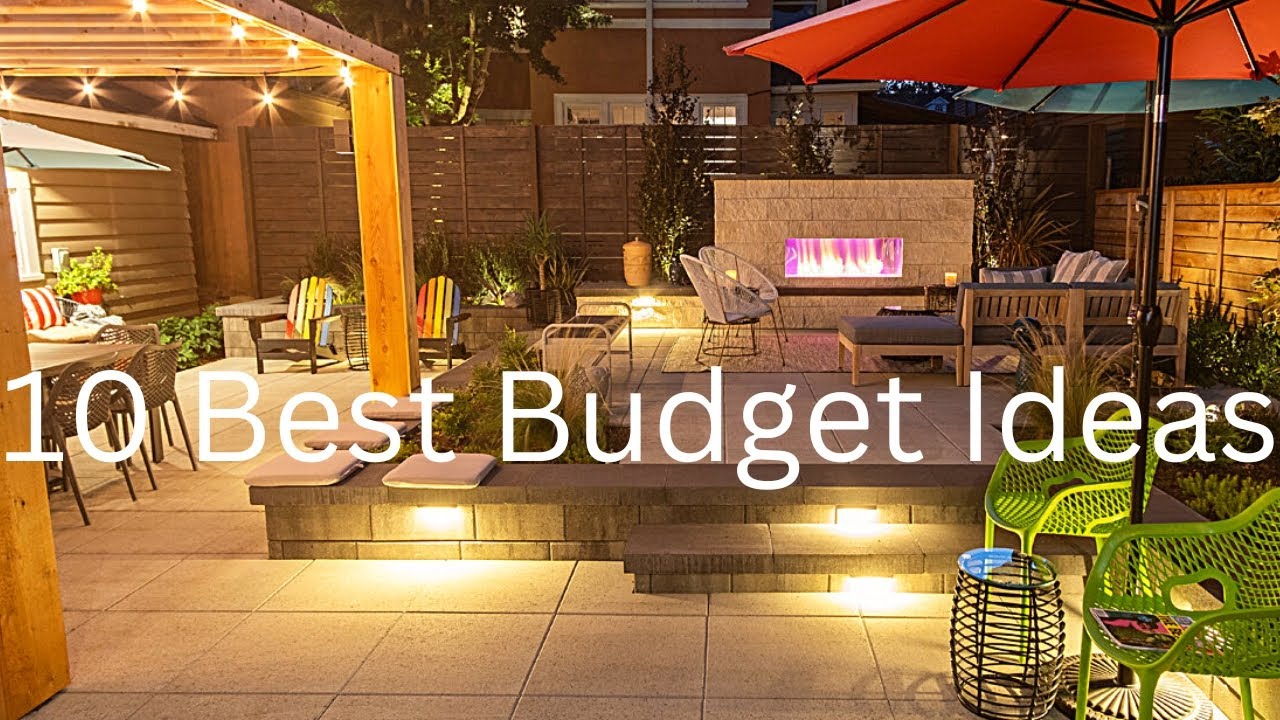
Drainage and heat, the 2 Pasadena realities
Storms arrive quick in winter, then disappear for months. Permeable choices, rain gardens, and discreet catch basins turn a rainstorm from a headache into a resource. On heat, select lighter tones where you expect bare feet and choose textures that enable a little air at the surface area. Around pools, we guide clients towards porcelain or lighter natural stone pavers that resist glare yet do not roast toes.
Trees should have regard too. Pasadena's canopy becomes part of the city's appeal. If roots are near the surface, we broaden the joint area in a selective area, move a course six inches to clear a flare, or change to a system that breathes more. Blanket root cutting results in dissatisfied trees and dissatisfied owners.
How to assess a paver contractor without guessing
Most clients satisfy two or three teams before they know who they trust. Here is a short checklist to help you compare the best details, not just the bottom line:
- Ask what base material and depth they propose and why, given your soil and use. Have them describe drain with slopes and discharge points you can picture on site. Request addresses for two regional jobs at least a year old, so you can see how joints and edges have held up. Confirm how they manage utilities, allows, and examinations for gas, electrical, and any retaining walls. Get the pattern, border, and specific paver name in writing, with a sample you can keep in your lawn light.
When Ridgeline Outdoor Living paver installation experts lay out a proposition, you will see those responses before you ask. That is not bravado so much as a reflection of what Pasadena backyards demand and what long experience has actually taught us matters.
Bringing everything together, one lawn at a time
An outdoor patio is not an item on a shelf. It is a series of decisions about slope, pattern, soil, sun, and how you move through your day. Done right, it ought to last enough time to host a years of birthdays without anyone wondering why the chairs wobble. Ridgeline Outdoor Living crafts patios and walkways that respect Pasadena's architecture and microclimates, with interlocking pavers, brick pavers, concrete pavers, and natural stone pavers picked for both appearance and longevity. When a task requires retaining walls, we bring engineering and thoughtful detailing to the table. When you want cooking and flame, we make outdoor fireplace setups and fire pit installation safe, code-compliant, and welcoming.
If you are all set to change a sun-baked slab into a cool lounge, or step a sloped yard into a set of functional rooms, start with a discussion. Bring your preferred images, the variety of chairs you actually own, and the method outdoor kitchen Pasadena CA afternoon light falls under your trees. We will bring a level, a notepad, and the craft to turn those into a patio area that comes from your Pasadena home.
Business Name: Ridgeline Outdoor Living
Address: 845 E Walnut St, Pasadena, CA 91101, United States
Phone: (626) 469-5822
Ridgeline Outdoor Living
Ridgeline Outdoor Living is a Pasadena-based landscape design-build company serving Greater Los Angeles with custom outdoor living, hardscape, and drought-tolerant landscape solutions. The company specializes in patios, retaining walls, outdoor kitchens, drainage, hillside projects, and turnkey landscape construction, handling projects from design and permitting through final build and warranty.
845 E Walnut St, Pasadena, CA 91101, USA
Business Hours:
- Monday – Saturday: 8:00 AM – 6:00 PM
- Sunday: Closed
Follow Us: